01
Industrial design & CMF
Concept sketching, 3D surfacing and human-factor studies for weight, balance and fold geometry, plus color, material and finish specification from pantone-matched masters. CAD is issued DFM-ready, not handed over the wall.

When a catalog platform cannot carry your product, CYNRIN co-develops it. Our industrial designers, optical, acoustic, electronics and firmware engineers work from your product brief to a mass-produced smart glasses line — differentiated ID, custom PCBA and owned tooling, delivered through a gated NPI process.

Original Design Manufacturing with CYNRIN is not a rebadged catalog unit. We jointly define the product, engineer its hardware and software, cut its tooling and transfer it into the same Shenzhen lines that build our reference SKUs. The result is a device your competitors cannot reorder from the same showroom.
The distinction from OEM manufacturing matters at procurement level: OEM places your brand on a proven, existing platform and starts at 1,000 units with little or no engineering cost. ODM starts from your specification — a new frame architecture, a camera or acoustic system the catalog does not offer, a specific battery target or a private firmware experience — and therefore carries non-recurring engineering (NRE), tooling investment and a structured Concept-to-MP development cycle. Most brand-flagship and category-defining programs are ODM; reorders and line extensions then run on OEM-style commercial terms.
Concept sketching, 3D surfacing and human-factor studies for weight, balance and fold geometry, plus color, material and finish specification from pantone-matched masters. CAD is issued DFM-ready, not handed over the wall.
Lens geometry and tint programs, polarized, photochromic and prescription-insert architectures, camera window and boresight design, waveguide alignment and UV400/transmittance verification on our optical bench.
Speaker chamber and leakage tuning, open-ear directivity, dual-MEMS beamforming and wind-noise strategy — validated with SPL curves and call-quality recordings against your use cases.
System architecture, schematic and PCB layout around Bluetooth SoC, camera MCU, PMU, sensors and battery protection; flex routing inside the hinge; EMC pre-scan before certification.
Embedded firmware, voice-prompt and language packs, touch and gesture maps, OTA channel, branded app and pairing identity — with source and documentation terms agreed at contract.
Retail-box structure, dielines and insert design, accessory and cable kits, localized manuals and ISTA-style transit validation so the developed product survives the channel it is sold through.
Durations below are indicative for a ground-up platform. Derivatives that reuse an existing architecture and tooling family move materially faster; your program plan is issued with the NRE quotation.
Product requirements document, reference tear-downs, architecture options, target BOM band and an IP/regulatory scan. Output: signed PRD and commercial framework.
ID renderings, CMF boards, mechanical CAD, early electronics stacking and DFM review. Output: frozen ID, tooling quote and EVT bill of materials.
Functional PCBA, 3D/CNC and soft-tool builds, optical and acoustic breadboards. Purpose: prove the design works. Output: EVT test report and design-change list.
Hard-tool parts, design-intent firmware, reliability and compliance pre-testing (RF, EMC, drop, thermal, sweat). Purpose: prove the design can be made. Output: DVT report and certification dossier.
Pilot run on production tooling and lines at takt rate, golden samples, AQL plan and operator training. Output: yield data, golden sample sign-off and MP release.
Ramped production with SMT, assembly, aging and AQL gates, followed by steady-state reorders, OTA maintenance and continuous cost engineering.
Need a faster route? Catalog-based private label ships in 15–25 days; branded OEM typically runs 25–35 days in mass production.

Industrial designers and mechanical engineers sit together, so surfacing decisions are checked against hinge stack-up, flex routing and battery volume in the same session. You receive review boards by milestone, not a single surprise reveal.
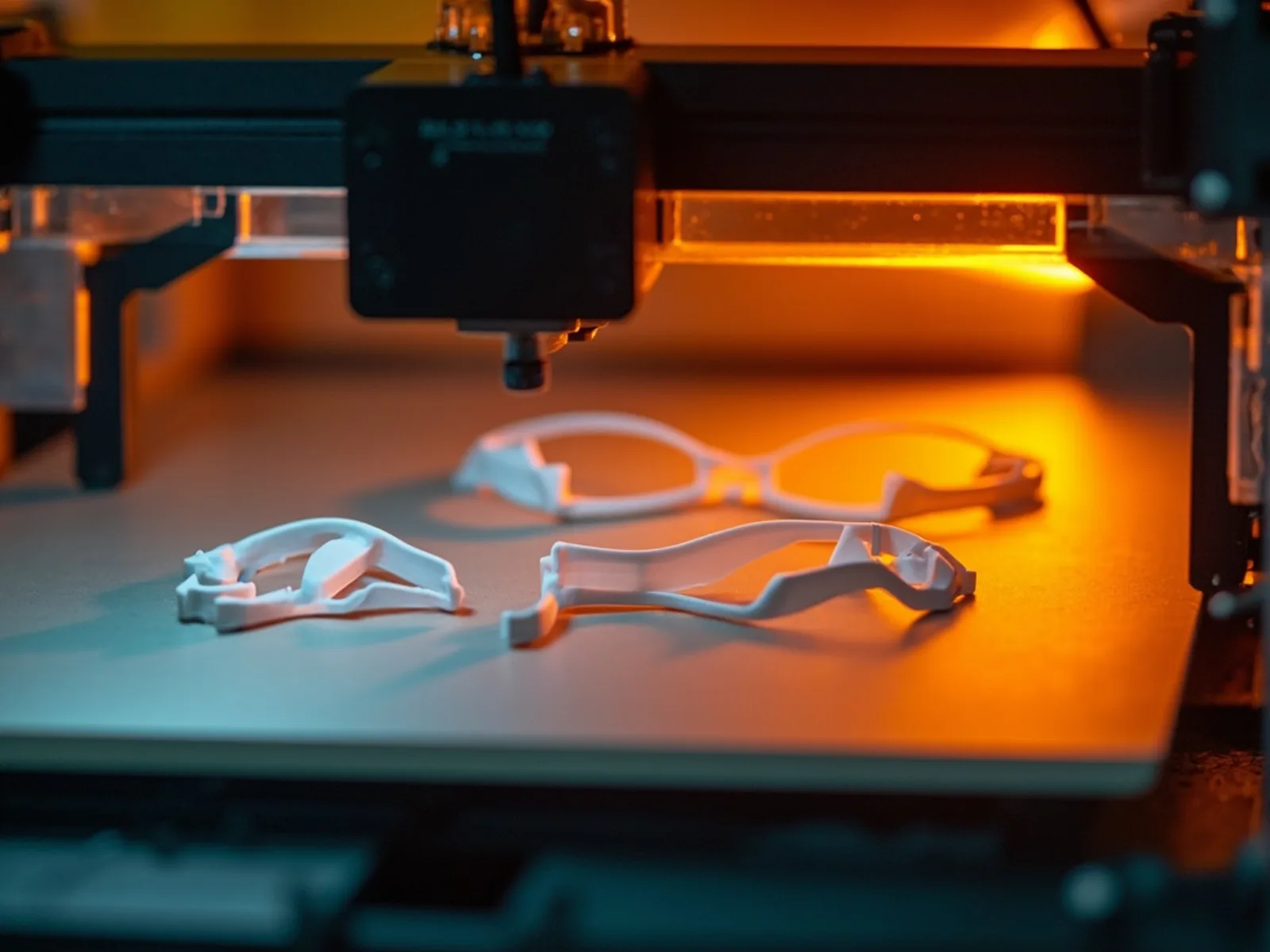
3D-printed appearance models, CNC metal parts, soft-tool frames and hand-built PCBA let us iterate ergonomics, weight and acoustic sealing long before hard tooling is cut.
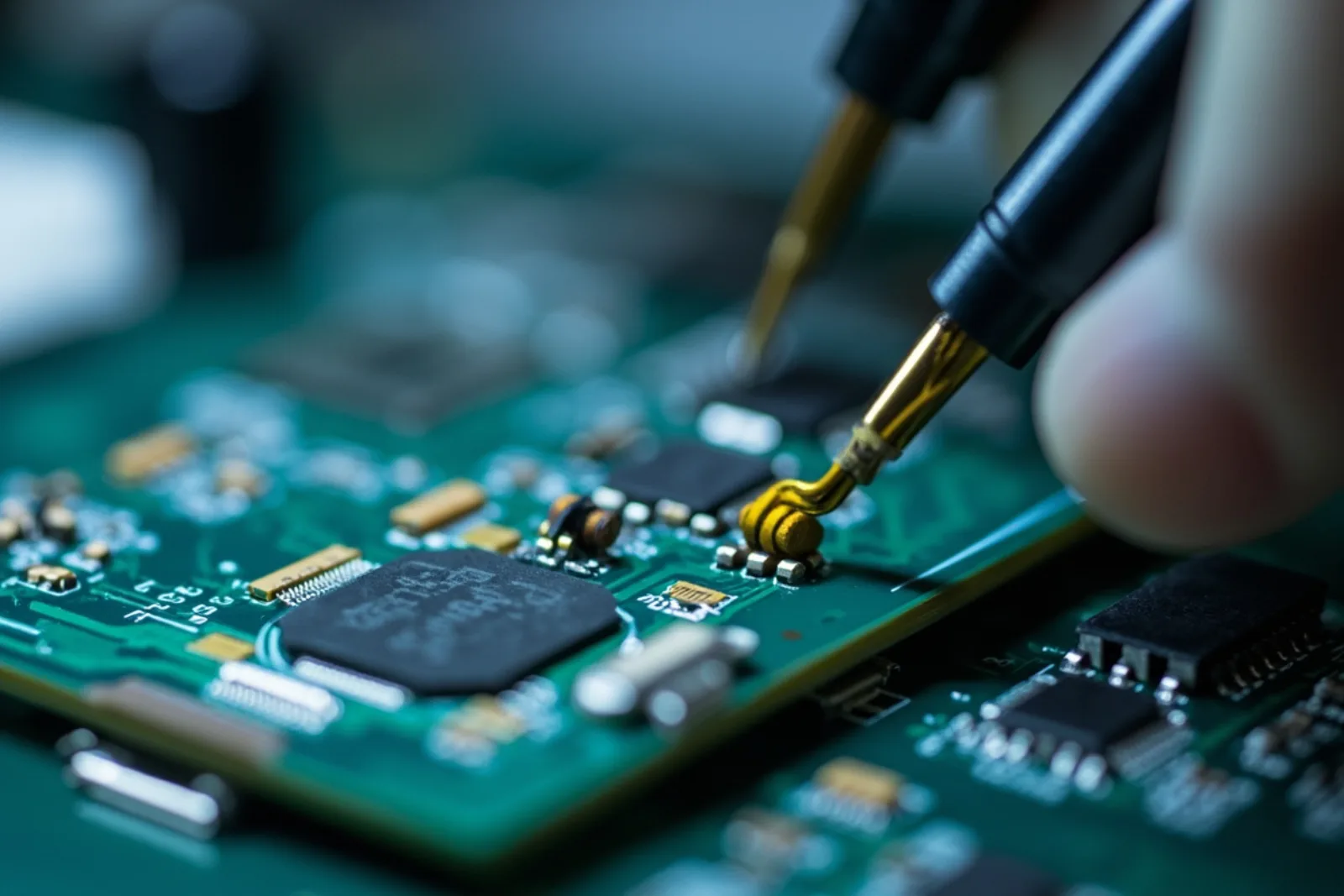
Our EE team brings up boards from power-on through radio calibration and sensor tuning, with current-draw budgets tracked against the battery-life target at every spin.
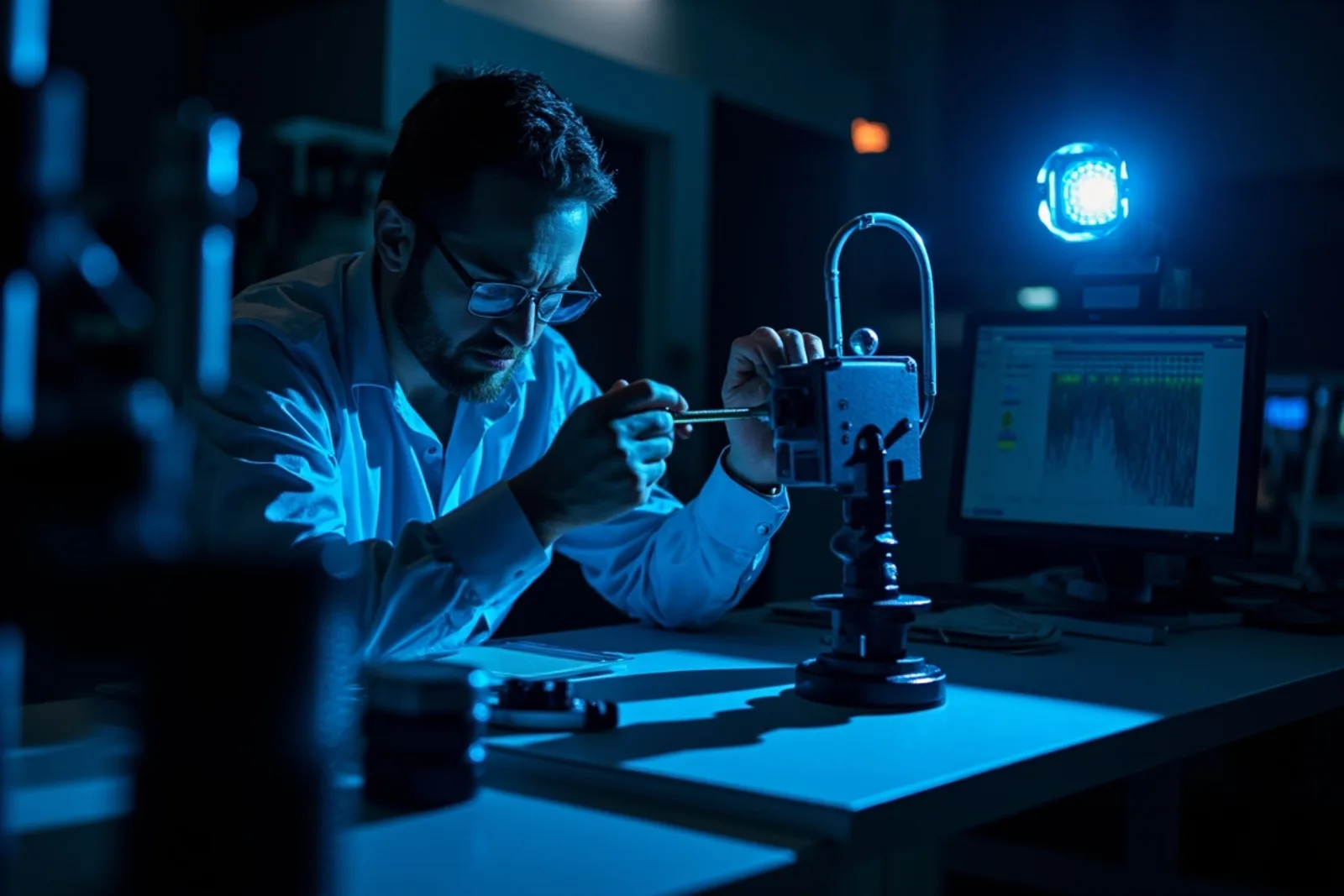
Transmittance, polarization, UV400 and camera boresight are measured on-bench across lens tints and prescription-insert configurations, so optical claims survive certification and customer returns.
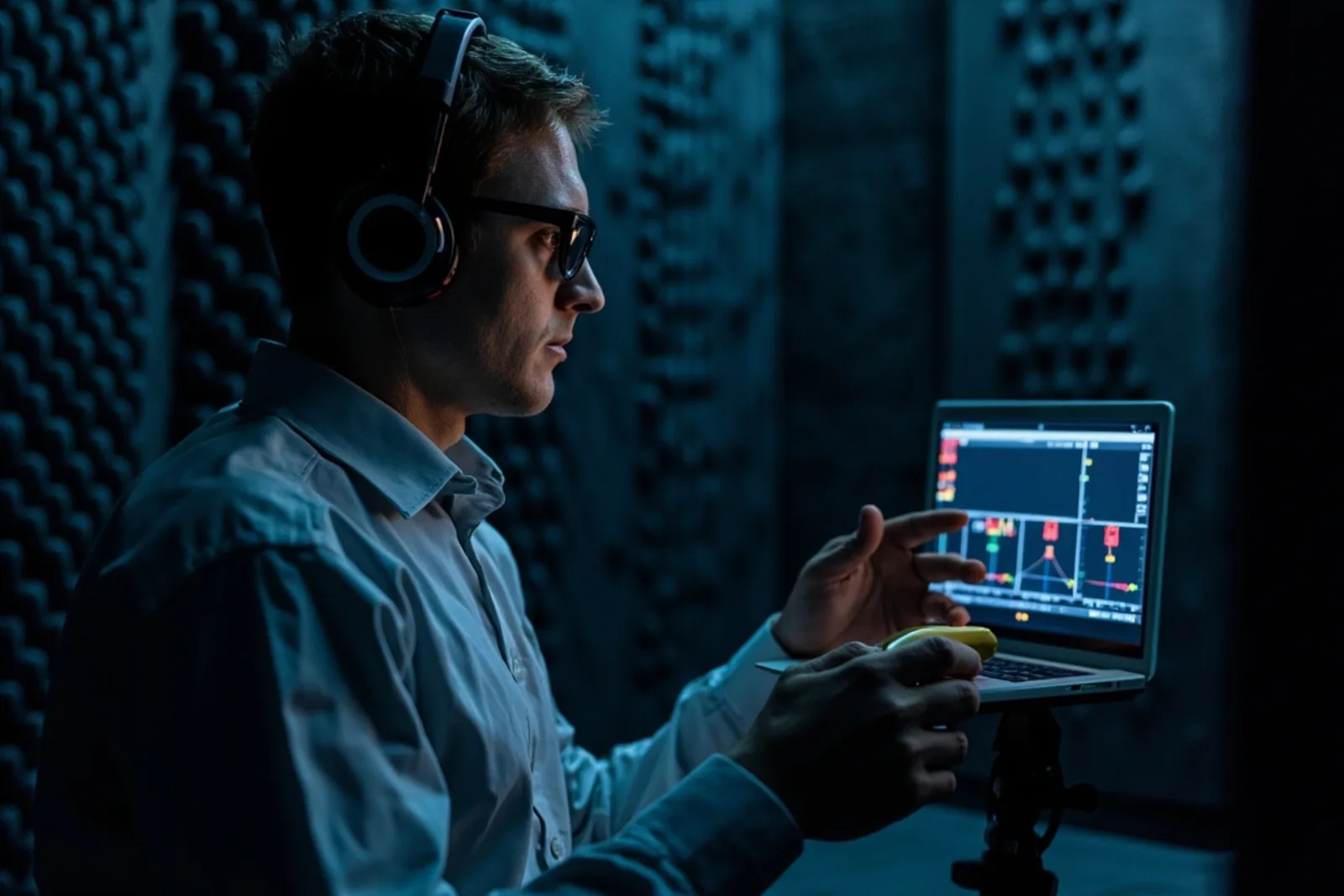
Bluetooth range, coexistence and antenna performance are checked in the shielded chamber, and DVT lots run drop, hinge-cycle, thermal and sweat testing before third-party CE/FCC submission.

ODM programs separate non-recurring engineering — design, development, validation and certification work performed once — from recurring unit pricing. NRE is quoted line by line against the PRD rather than as a single opaque figure, and portions can be amortized into the unit price over a committed volume, lowering your upfront exposure. Indicative NRE for a full ground-up smart glasses platform typically falls in the low-to-mid six figures US dollars depending on electronics, optical and acoustic scope; derivatives on an existing architecture cost a fraction of that. Your exact schedule accompanies the quotation, never after a deposit.
| NRE line item | What it covers | When it applies | Amortization |
|---|---|---|---|
| Industrial & mechanical design | ID, surfacing, CAD, CMF development and DFM iterations | New frame or hinge architecture | Partially amortizable over committed volume |
| Electronics development | Architecture, schematic, layout spins and PCBA bring-up | Custom board, new SoC or sensor set | Quoted per PCB spin; volume rebate possible |
| Tooling & molds | Frame/temple molds, precision fixtures and gauges | New injection-molded parts | Customer-owned; no per-unit amortization |
| Optical/acoustic tuning | Chamber tuning, lens programs, beamforming and testing | Custom audio or lens systems | Usually absorbed above volume thresholds |
| Certification & compliance | CE, FCC, RoHS, REACH and battery-transport testing | New radio/electrical design | Pass-through lab fees, quoted upfront |
Commercial mechanics, milestones and deposits: payment terms · live programs: lead times.

Your brand on a proven platform — lowest risk and fastest branded route.
Explore02Catalog frames with your logo and packaging from 500 units, 15–25 days.
Explore03Branding, optics, electronics, packaging and firmware options with MOQ impact.
Explore04SMT, injection, assembly, aging and the lines that carry ODM into MP.
Explore05Program structures for brands launching a flagship smart-audio or camera line.
ExploreSend the PRD, target specs or even a rough concept. Our engineering team responds with an NRE outline, NPI schedule and architecture recommendation within five working days.