Smart glasses are three regulated products in one: a radio device, a lithium-battery product and a piece of eyewear. That means a single pair can require wireless approval, chemical compliance, battery transport files and lens safety evidence before it legally reaches a shelf in New York, Berlin or Tokyo. Treating certification as a late-stage paperwork task is the most common cause of delayed launches, because failed tests force design changes after tooling is already paid for. This guide maps the regimes by market and explains who pays, how long each takes, and what triggers a retest.
Certification is a workstream, not a stamp
Approvals belong in the development schedule from day one. The radio architecture and antenna placement should be chosen with the target markets in mind, pre-compliance scans run during engineering builds, and final samples for the third-party laboratory should come from the pilot run so the tested unit matches the mass-produced unit. Our certification support page describes how test planning is sequenced into the EVT, DVT and PVT gates. A product that passes on a handmade prototype but fails on production hardware is a classic, and avoidable, failure mode.
Approvals and marks by destination market
The table below summarizes the principal regimes brands encounter. Exact standards and routes are confirmed at program kickoff against the selected chipset, radio module and sales forecast; some markets accept mutual recognition evidence, while others require a local representative.
| Market | Wireless / product regime | What it covers |
|---|---|---|
| United States | FCC Part 15; FDA lens rules; Prop 65 | Radio emissions and labeling, non-prescription lens impact resistance, chemical warning assessment |
| European Union | CE under RED 2014/53/EU; RoHS; REACH | Radio, EMC, safety, EMF exposure, restricted substances and SVHC disclosure |
| United Kingdom | UKCA (UK Radio Equipment Regulations) | Post-Brexit equivalent of the RED, with a UK-based responsible party |
| Canada | ISED certification (RSS standards) | Radio equipment approval and labeling, closely aligned with FCC test data |
| Australia / New Zealand | RCM (ACMA technical regulation) | EMC, radio spectrum and electrical safety registration via a local supplier |
| Japan | TELEC / MIC (Radio Law) | Type certification for 2.4 GHz radios with the Giteki mark and serial labeling |
CE marking under the Radio Equipment Directive
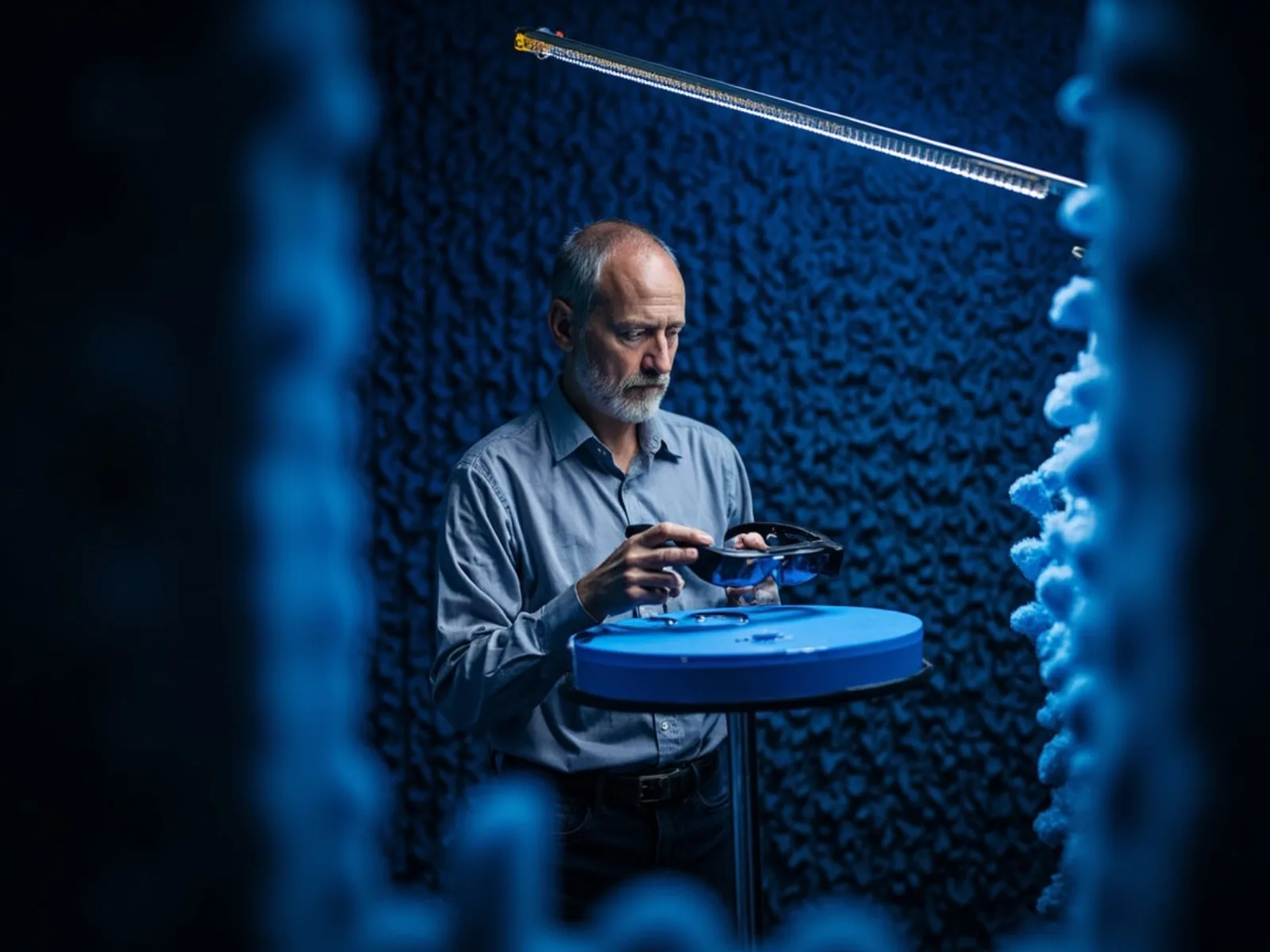
In the European Union, Bluetooth and Wi-Fi smart glasses fall under the RED rather than the older EMC and low-voltage directives, which is why a CE certificate referencing the LVD alone would be incomplete for this product category. The conformity assessment typically draws on three standard families: EN 300 328 for the 2.4 GHz radio characteristics, EN 301 489 for EMC, and EN IEC 62311 for human exposure to electromagnetic fields. A safety standard such as EN IEC 62368-1 covers electrical and thermal safety of the battery and charging circuit, and the technical file also holds RoHS evidence and a REACH SVHC declaration.
Two clarifications buyers often request: GDPR is a data-protection law, not a product mark, though connected devices that collect audio or images should be engineered with privacy in mind; and the CE mark itself is self-declared by the manufacturer of record through an EU Declaration of Conformity, supported by test reports from an accredited lab. Notified body involvement depends on the harmonized standards used. The brand, as the importer, holds responsibility for the declaration and for keeping the technical construction file available.
FCC, ISED, UKCA, RCM and TELEC radio regimes
In the United States, an intentional radiator operating at 2.4 GHz must comply with FCC Part 15. Most certified-module architectures can use the certification path or, depending on module architecture and antenna conditions, a supplier declaration route supported by full test evidence. The device label, manual notices and identification of a US-based responsible party are part of compliance, not optional paperwork. Canada's ISED regime follows the RSS standards and routinely accepts FCC-aligned test data with separate registration and labeling. UKCA mirrors the RED structure under UK law and requires a UK-based responsible party; in practice UKCA testing runs alongside CE with modest incremental work.

Australia and New Zealand use the RCM mark, which combines ACMA radio and EMC requirements with supplier registration through an in-country entity. Japan's Radio Law is administered through registered bodies such as TELEC for MIC approval, and carries the Giteki marking plus technical-standards-conformity labeling on each unit. Timelines and fees for each regime vary with laboratory queues and whether pre-scans passed; building the market list before ODM development starts lets engineering select a module and antenna strategy that clears all of them in one test campaign rather than serially.
RoHS, REACH and California Prop 65
Chemical compliance applies to the whole product, not just the electronics. The EU RoHS directive restricts lead, cadmium, mercury and other substances in electrical and electronic equipment, and suppliers must provide material declarations backed by XRF or lab testing on request. REACH operates differently: it is a broader chemicals regulation, and the practical obligation for eyewear is usually a declaration that the article does not contain listed SVHCs above the 0.1 percent threshold, with communication down the supply chain. Painted coatings, soft-touch materials, leather pads and cable insulation are common sources of findings, which is why bills of materials are screened before molds are cut.
California's Proposition 65 is not an approval regime; it is a "right to know" warning law with a long and frequently updated list of substances. A compliance assessment determines whether exposure to listed chemicals from the frame, coatings or battery requires a warning label. Selling nationwide in the United States generally means designing to the Prop 65 assessment outcome rather than handling California separately. Our quality control process guide explains how incoming-material inspection enforces the declarations these regimes rely on.
Battery transport, lens rules and intellectual property
Lithium-polymer cells create two layers of obligation. UN38.3 is a United Nations test summary covering altitude, thermal, vibration, shock, short-circuit and abuse handling; air and sea carriers require it before accepting shipments, typically alongside an MSDS and the manufacturer's cell safety evidence. These are transport documents rather than consumer-product marks, and the files must match the exact cell model in production; swapping cell suppliers voids the file and demands new testing. Battery sizing, charging strategy and the resulting certification implications are discussed in our smart glasses battery life guide.
On the eyewear side, non-prescription sunglasses sold in the United States should satisfy FDA impact-resistance requirements, including the drop-ball test referenced in 21 CFR 801.410, with ANSI Z80.3 serving as the common American reference for optical performance such as transmittance and UV protection. Note that ANSI Z87.1 is a different standard for occupational safety eyewear and applies only if you market that use. Polarized, photochromic or prescription variants may carry separate requirements. Finally, trademarks, design patents and freedom-to-operate clearance are the buyer's responsibility in every market; a manufacturer can build to your specification but cannot guarantee your brand name or feature set is free of third-party rights.
Who pays, how long it takes, and when retests are triggered
Certification is normally budgeted and invoiced as part of program NRE, with the brand as applicant and certificate holder. A single radio regime typically completes in four to eight weeks after the laboratory receives final, pilot-build samples; parallel multi-market campaigns typically run eight to twelve weeks, subject to laboratory queue, findings and documentation rounds. Because the samples must represent production, certification lands near the end of the development calendar, and the sequencing is mapped in our smart glasses development timeline overview.
Retests are the hidden cost. Changing the radio module, antenna location or enclosure geometry around the antenna, raising transmit power, or moving to a significantly different PCB layout usually requires at least partial retesting, and a new battery cell requires fresh transport files. Color changes, accessory swaps and packaging updates generally do not. Maintain a written change-control list and confirm each proposed change with the laboratory before implementation. When you are ready to plan the approval strategy for your specific markets and radio configuration, send our engineering team your product brief for a market-specific test plan and an indicative certification budget.
Frequently Asked Questions
Which certifications do smart glasses need for the US and EU markets?
For the United States, Bluetooth smart glasses generally require FCC compliance under Part 15 for the radio, battery safety evidence such as UN38.3 for transport, and FDA impact-resistance evidence for non-prescription lenses, plus a Prop 65 review. For the European Union, the same product needs CE marking under the Radio Equipment Directive, with RoHS and REACH evidence in the technical file.
Are the certificates issued in the factory name or my brand name?
Certificates and declarations are normally issued to the brand or importer that places the product on the market, because that party is legally the manufacturer of record. The factory can own the underlying test report for a shared platform, but your label, model number and responsible-party information appear on your certificate. We support customers through sample preparation, documentation and lab coordination, while the applicant remains the brand.
How long does smart glasses certification take and what does it cost?
A single radio regime such as FCC or CE-RED typically takes four to eight weeks once final-specification samples reach the laboratory, assuming no failures, while a multi-market program can run eight to twelve weeks in parallel. Lab fees typically range from a few thousand to twenty thousand dollars or more depending on market count and radio technologies. All figures are indicative and subject to project confirmation.
Do I need to recertify after changing the design?
Some changes trigger retesting and some do not. Swapping the certified radio module, changing antenna design or position, moving the PCB layout, increasing transmit power, or changing enclosure material near the antenna typically requires at least partial retesting. Cosmetic color changes and packaging updates usually do not. Route any proposed change-control item past the test lab before implementing it, because after-the-fact retesting is far more expensive.
Who is responsible for patents, trademarks and IP clearance?
The brand is. A factory can manufacture to your specification, but it cannot clear your product name, logo, industrial design or chosen features against patents and trademarks in your sales markets. Budget for a freedom-to-operate review with your own counsel, register your marks in destination countries, and indemnification terms should be addressed in the manufacturing agreement before mass production begins.