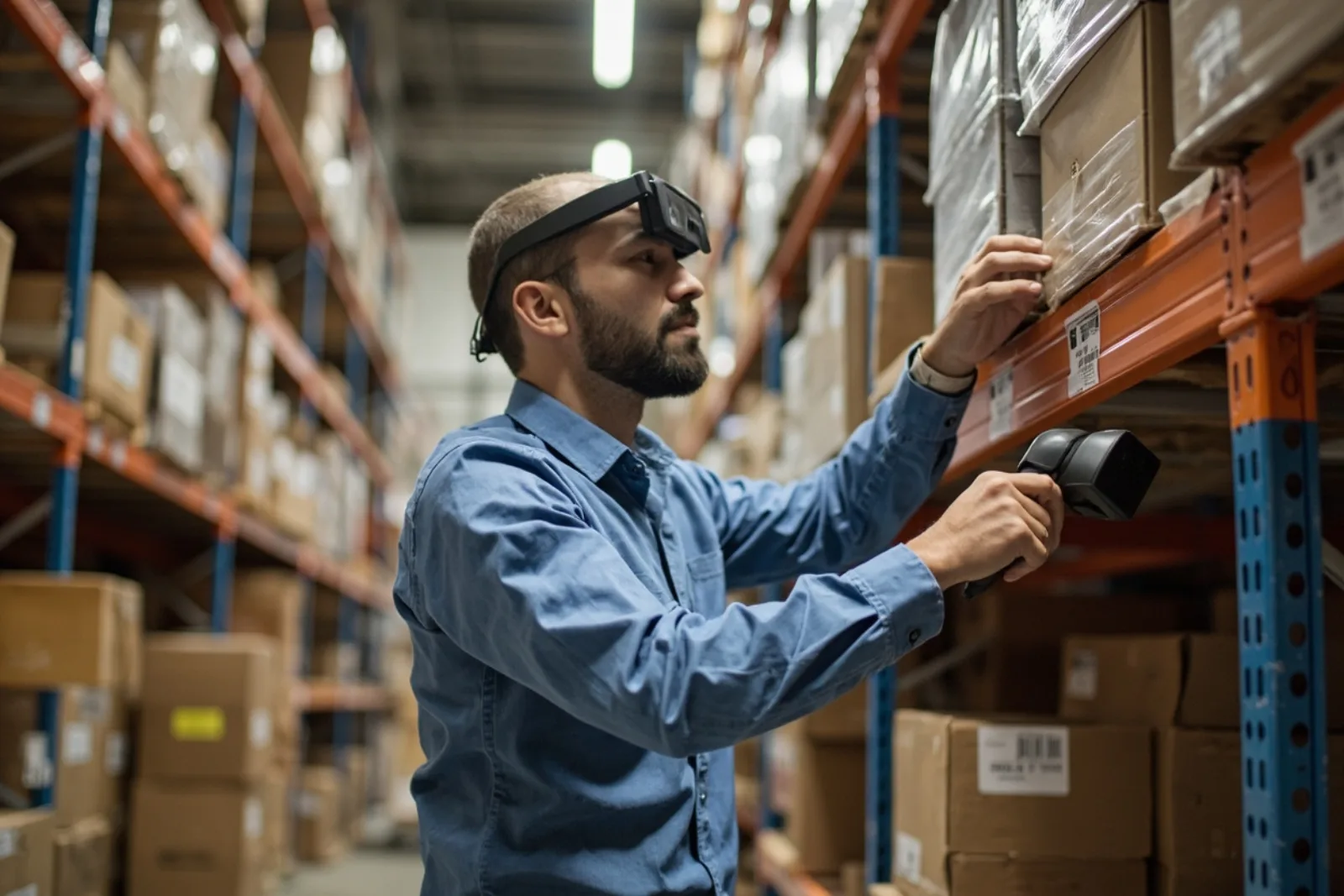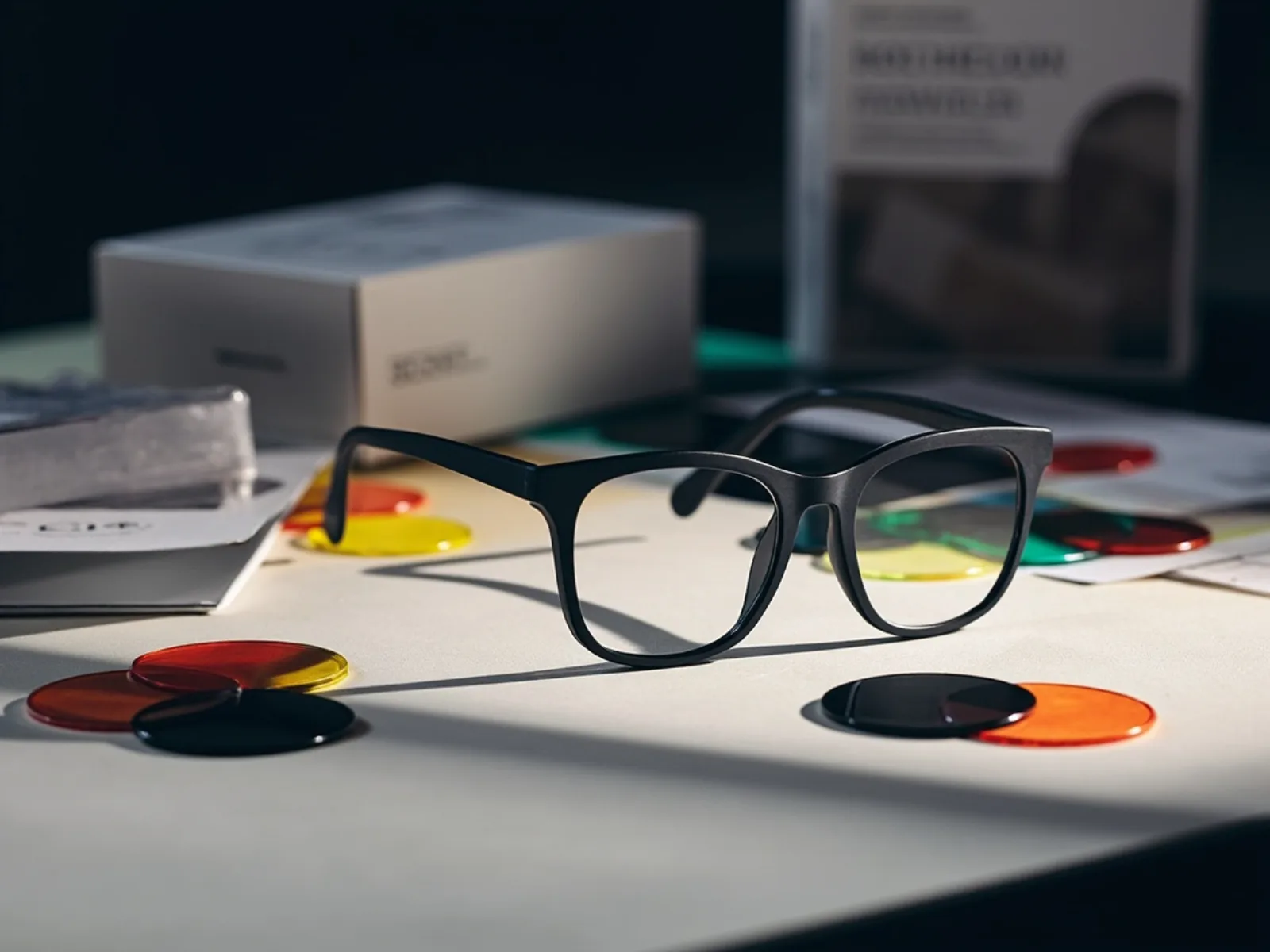
Private label is the fastest route to putting your own brand on smart glasses without funding a hardware program from zero. Instead of designing optics, PCBA, firmware and hinge mechanics, you select a platform that an OEM/ODM manufacturer has already engineered and certified, then apply your brand identity, packaging and selected trim. The category in 2026 supports that model better than ever: mature audio glasses, camera-equipped AI glasses and cycling-specific platforms are proven in the field, and buyers increasingly choose on brand, fit and ecosystem rather than on who populated the circuit board.
This guide walks through how a private label smart glasses program actually works in 2026: what is and is not customizable, how to choose between platform types, how certification and liability work when your name is on the product, what the launch sequence costs and how long it takes, and the questions that separate a credible factory partner from a trader. CYNRIN supports private label on catalog platforms, and this article reflects how these programs are structured in practice.
What Private Label Means for Smart Glasses in 2026
A private label smart glasses program sits between pure white label and full custom development. White label is a generic unit, unchanged, resold by anyone. Private label takes the same kind of validated platform and configures it as your product: laser or printed logo, selected frame colors from available tooling, branded retail packaging and inserts, manual, Bluetooth pairing name, firmware or app identity, and lens options such as polarized or prescription-ready cuts. The hardware platform itself is shared and remains the manufacturer's intellectual property.
What you are really buying is time-to-market and risk avoidance. The antenna tuning, thermal design, hinge cycle engineering, battery protection and acoustic chamber have already been debugged across production lots. What you are giving up is hardware exclusivity; unless negotiated separately, a competitor can brand the same platform. That trade is favorable when your advantage is audience, distribution, eyewear styling or content, and unfavorable only when unique hardware is the entire launch story.
Why Brands Are Launching Private Lines
Three motivations dominate. First, category entry without capital exposure: a brand can test whether its customers want smart audio or camera glasses without six figures of non-recurring spend and months of engineering. Second, range extension: eyewear brands and sports brands add a connected model to an existing frame or helmet lineup, and consumer-electronics brands add glasses to an audio or wearables range, without building a new competency. Third, channel and margin control: distributors and retailers replace anonymous trading-company stock with a product they own the presentation of, including packaging, warranty handling and after-sales continuity.

The model also fits catalog and gifting channels, corporate programs and regional distribution where a run of a few hundred to a few thousand units is the natural lot size. It does not fit a brand whose pitch requires a patentable hinge, a unique waveguide display or hardware that no competitor can access; those programs belong in custom OEM or ODM territory, explained in the OEM vs ODM decision article in our resources.
Choosing a Platform: Audio Glasses vs AI Camera Glasses
The platform decision drives everything downstream, from certification to return rates, so choose against a real use case rather than a feature list. Audio smart glasses use open-ear speakers, beamforming microphones and touch controls for calls, assistants and media. The engineering risks are well understood: speaker leakage, wind noise, call quality in traffic and battery life. These platforms suit everyday, commuter and cycling positioning and carry the gentlest certification and privacy profile. The acoustic questions to evaluate, from speaker leakage to wind noise, are covered in our dedicated audio smart glasses guide.
AI camera glasses add a first-person camera, capture LED and often a tethered-AI workflow for recording, translation or search. They are the growth category for 2026, but they bring heavier decisions: privacy expectations and recording-indicator regulations, image quality in motion, companion-app architecture, data handling and longer battery constraints. For sports positioning, weigh ruggedization, lens standards and mount compatibility, as discussed in our smart cycling glasses wholesale guide, and for camera specifics use the AI camera smart glasses buyer guide when evaluating suppliers.
What You Can and Cannot Customize
Private label scope is wider than buyers assume, but it has a hard boundary at anything that changes certification or requires new tooling. A typical program allows:
- Branding: temple or lens-corner logo by laser engraving or pad printing, in defined sizes and positions.
- Color and finish: selection from available tooling colors, sometimes custom Pantone runs at higher minimums.
- Lenses: standard, polarized, photochromic or Rx-ready options within existing lens geometry, typically as separate SKUs.
- Packaging: branded sleeve or sticker-branded standard box at entry tiers, through to full custom retail boxes at higher minimums.
- Accessories: case style, cable length and color, printed manuals and quick-start cards in your languages.
- Firmware presentation: Bluetooth name, pairing identity, language packs and a branded app or app skin, subject to platform support.
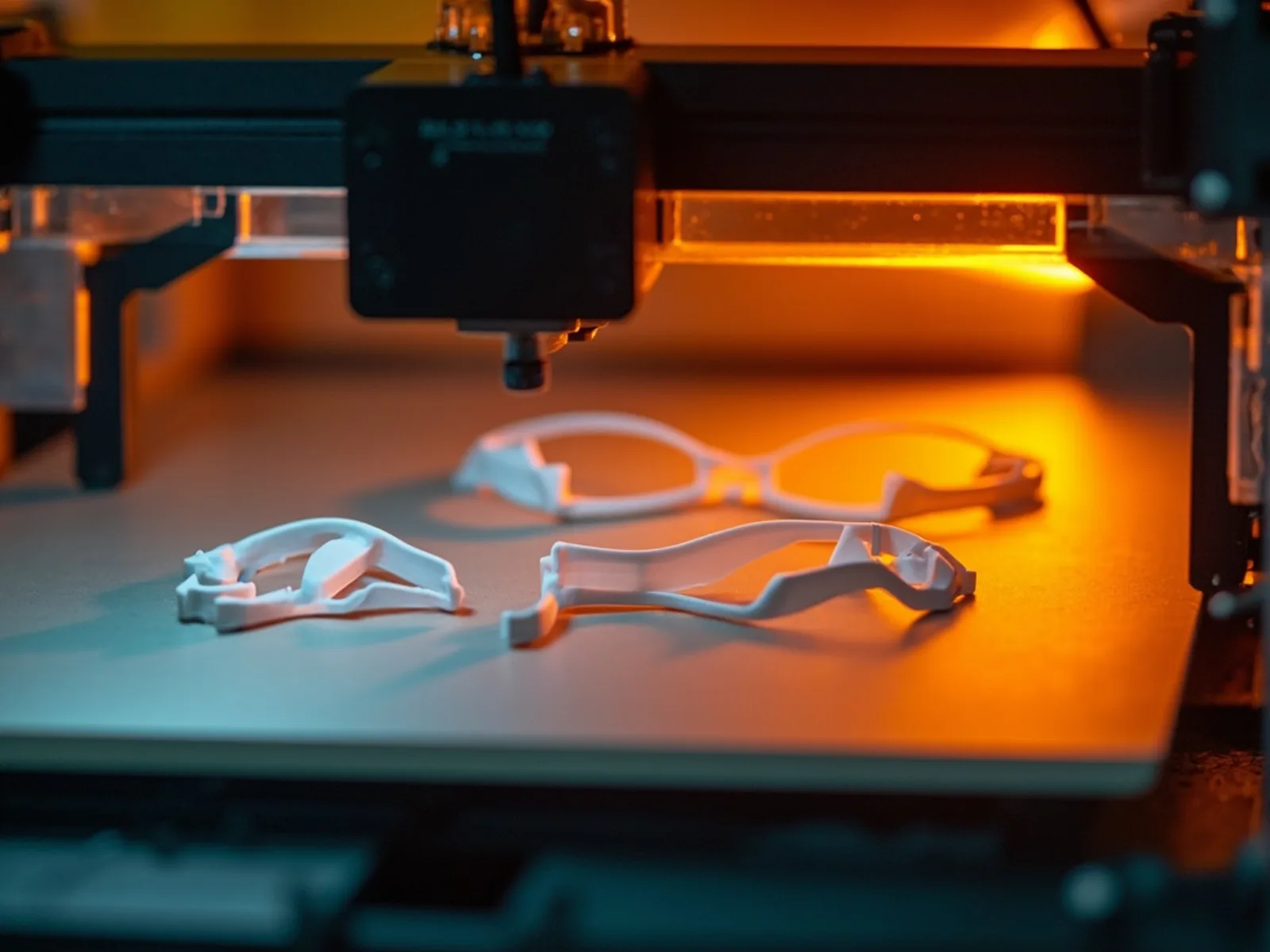
What generally cannot move at private label tier is frame geometry, hinge design, PCB layout, speaker placement, battery size or optical engine. Those touch tooling, regulatory filings and validated reliability, and they define the boundary with custom programs. Our smart glasses customization catalog shows where each option sits between private label and custom development.
Certifications, Compliance and Your Liability
Your brand on the product means your name is on the declaration of conformity, so the platform's paperwork matters as much as its sample. Audio and camera glasses with wireless radios are typically sold under CE in the EU, FCC in the United States, plus RoHS and REACH material compliance, with UKCA, PSE/MIC, RCM or other schemes applying by destination. Camera models additionally intersect with privacy rules around recording indicators and data handling, and sports-positioned lenses may be marketed against impact standards only where the documentation supports the claim.
Ask suppliers for the actual test reports, not certificate images: check the lab accreditation, the exact tested model versus the shipping SKU, and whether component substitutions after certification invalidate the report. Confirm whether your branding and packaging changes trigger any re-testing (color and marking usually do not; antenna or enclosure changes can), and define who owns re-certification if a chip reaches end of life. The full checklist lives in the smart glasses certifications guide.
Costs, MOQ and the 2026 Launch Sequence
Private label economics are deliberately simple. Upfront spend is limited to samples, branding setup such as logo fixtures, packaging plates if you go custom, and any optional firmware work; there is no mold or PCBA development to fund. Unit pricing is driven by platform tier, with camera products above audio products, and by annual volume rather than a single batch. Minimum orders for catalog programs most commonly start around 500 units per SKU, while custom color and custom box options typically raise specific sub-minimums toward 1,000 units; the mechanics are explained in the smart glasses MOQ guide.
A disciplined launch follows a repeatable sequence:
- Platform selection and target-market compliance review, with evaluation units ordered.
- Technical and wearer testing of the samples, including call quality, battery endurance against the advertised workload, and lens optical checks.
- Sign-off on logo artwork, colorway, packaging dieline and firmware branding; branded samples then follow, commonly within about 5 to 15 days.
- Golden sample sealing: one approved unit becomes the inspection standard for bulk.
- Bulk production, typically running a few weeks to roughly 40 days depending on program and line slot, with in-process and final inspection against the golden sample.
- Export packing, documentation and shipment under your chosen Incoterms, with warranty and spare-parts policy agreed before the goods move.

Questions to Ask a Private Label Factory
When shortlisting manufacturers, push for answers a trader cannot give. Ask how long the platform has been in production and what changed in the latest revision; which components are self-made versus bought in; whether SMT and final assembly are in-house; what the documented AQL and line test routine cover; and what failure data the platform has accumulated in the field. Ask who controls firmware updates after launch, whether the app is maintained and on what roadmap, how end-of-life components are handled, and what exclusivity, if any, can be offered by region or channel. Finally, ask for the warranty terms and the spare-parts commitment behind them; a documented quality control process should be visible before you pay a deposit.
If the first private line performs, the same partner becomes the path to a differentiated flagship later, which is how many eyewear and sports brands sequence the category. To start, review the CYNRIN private label program and request a quote with your target platform type, markets, first SKU list and launch window; an engineer-backed proposal with per-option MOQs and lead times follows.
Frequently Asked Questions
What is the difference between private label and white label smart glasses?
In common usage, white label means a completely generic product sold identically to many resellers, while private label means a validated platform configured with your logo, colors, packaging, firmware pairing identity and sometimes custom trim, so it ships as your branded product. The underlying hardware is a shared factory platform, but the presented product is yours.
What MOQ do private label smart glasses usually require?
Catalog private-label programs most commonly start around 500 units per SKU, with sub-minimums applying to specific customizations such as custom frame colors or printed retail boxes, which typically sit near 1,000 units. Exact thresholds depend on the platform and the option list; a per-option MOQ table is the useful document to request from any factory.
Can the firmware and app carry our own brand?
Usually yes within defined limits. Typical branding covers the Bluetooth device name, pairing identity, logo, language or voice packs, and a branded app or app skin. Deep firmware behavior, OTA infrastructure and the platform codebase generally remain factory-owned on private-label programs, so confirm update responsibilities and data ownership in the agreement.
Do private label smart glasses need certification under our brand name?
The hardware platform typically already carries core radio and safety reports, but placing the product on the market under your brand can require updating documentation, labels and declarations of conformity with your company as the responsible importer or brand holder. Camera products also raise privacy labeling obligations. Verify region-by-region requirements and whether re-certification is triggered by your changes.
How fast can a private label smart glasses launch realistically ship?
With a catalog platform, evaluation units can ship almost immediately, branded samples commonly follow within about 5 to 15 days, and approved bulk typically moves through production in a few weeks to roughly 40 days depending on slot availability, customization and shipping mode. The critical path is usually your own approval and packaging artwork rather than the factory.