
Smart Glasses Certifications & Regulatory Compliance
Wireless smart glasses are radio equipment with lithium batteries: they enter the EU under the RED, the US under FCC rules, and cross borders under air/sea battery regulations. CYNRIN prepares the tests, coordinates the third-party laboratories and delivers certificates held in your brand name, with a technical file your compliance team can defend.
The marks a smart-glasses program actually uses
CYNRIN programs are routinely prepared for the following approvals. Marks are issued by independent third-party laboratories and notified bodies — we manage samples, test plans and technical documentation on your behalf.
Certification is scheduled into the NPI plan, not improvised after production: in-house pre-scan data from the RF and reliability labs feeds the formal test plan at DVT, and final units from the PVT pilot build are the samples shipped to the third-party lab. This sequencing avoids the most common delay in eyewear electronics — retesting because the certified unit did not match the mass-produced unit. See how this connects to the R&D stage-gate process.
Regulatory approvals for the EU and United States
European Union — CE marking
| Requirement | Directive / standard family | What is assessed |
|---|---|---|
| CE — Radio Equipment Directive | RED 2014/53/EU (Articles 3.1a, 3.1b, 3.2) | Safety/health, EMC and effective use of radio spectrum for the Bluetooth radio |
| EMC test report | EN 55032 / EN 55035 family | Radiated/conducted emissions and immunity of the complete device |
| RF / radio test report | EN 300 328 (2.4 GHz) family | Transmitter parameters, spurious emissions and adaptive behavior |
| Safety assessment | EN IEC 62368-1 family | Electrical and thermal safety of the charger, battery and electronics |
| EU Declaration of Conformity | Issued by the brand (manufacturer of record) | Single declaration referencing all applied directives and harmonized standards |
United States — FCC & product safety
| Requirement | Rule / standard family | What is assessed |
|---|---|---|
| FCC compliance (intentional radiator) | FCC Part 15, Subpart C (and applicable Subpart B) | 2.4 GHz transmitter certification or supplier declaration path, depending on module architecture |
| FCC labeling & user information | Part 15 labeling requirements | Device label text, manual notices and modular transmitter conditions |
| Battery & consumer-product safety | CPSC jurisdiction; UL-style cell evidence | Lithium-polymer cell safety evidence and consumer-product hazard due diligence |
| Customs / import file | FCC supplier declaration documentation | Importer of record must hold test reports and identification of the responsible US party |
Exact standard editions and test routes are confirmed at program kickoff against the selected SoC and radio module; the engineering team provides a market-specific test plan.
RoHS, REACH and material declarations
Frame plastics, lens coatings, solders, adhesives and battery cells all fall under restricted-substance rules. Material declarations are collected from the controlled supplier base and compiled per finished SKU.
| Requirement | Market | Practice on CYNRIN programs |
|---|---|---|
| RoHS 2.0 (2011/65/EU amended) | EU / widely referenced globally | Restricted-substance declarations per homogeneous material; supporting test evidence retained in the TCF |
| REACH SVHC | EU | SVHC screening against the current candidate list; article information supplied above the 0.1% threshold |
| Prop 65-style assessments | California, US | Material review for listed substances on request, with label guidance where the brand elects assessment |
| UKCA marking | United Kingdom | UK Radio Equipment Regulations, EMC Regulations and Restriction of Use of Certain Hazardous Substances Regulations |
| Battery & WEEE-style labeling | EU member states | Crossed-out wheeled bin marking and producer-responsibility registration handled by the brand as importer; CYNRIN supplies required artwork data |
These declarations follow the product: if your program re-uses a CYNRIN reference platform, the underlying material evidence already exists and only the SKU-specific declaration needs compiling. Custom-tooled materials are tested as part of the DVT gate. Our quality system maintains the supplier evidence chain behind every declaration.

UN38.3, MSDS and PI966/PI967 for lithium-polymer shipments
Every CYNRIN smart-glasses unit contains a lithium-polymer cell, so export cartons move under dangerous-goods rules. Before the first shipment we prepare the battery file your forwarder will ask for:
- UN38.3 summary — the cell/battery test summary covering altitude, thermal, vibration, shock, short circuit and overcharge testing from the cell supplier.
- MSDS / SDS — safety data sheet for the battery and finished goods, issued in English for the shipper and importer.
- PI966 vs PI967 — Packing Instruction 966 applies to batteries packed with equipment; PI967 applies to batteries contained in equipment (the usual case for finished glasses assembled with cells inside).
- Carton marks — lithium-battery handling label, watt-hour and net-cell-weight statements on the master carton as applicable.
- Courier/air acceptance — documents accepted for air and sea freight, FBA inbound and express shipment.
Incoterms and delivery handling are described on the shipping & logistics page (EXW, FOB Shenzhen, CIF and DDP supported).
Four steps from pre-scan to certificate in your name
1
1. In-house pre-scan
RF, EMC and acoustic pre-compliance data is captured in the CYNRIN shielded lab using the same test methods the external lab will apply. High-risk failures are fixed before external fees start.
2. Third-party laboratory
We book and ship PVT-identical samples to an accredited lab (TUV, SGS, Intertek/Bureau Veritas style), manage the test plan, and engineering responds to technical questions directly.
3. Certificate in YOUR brand
The application is filed in the brand-owner name — you are the certificate holder, not CYNRIN. For FCC paths the responsible US party and grantee details are settled before filing.
4. Technical file (TCF)
Reports, declarations, schematics, BOM, labels and user manual are compiled into a Technical Construction File index and handed over with the DoC for your records and customs file.

Indicative certification timeline
DVT release
Pre-scan data reviewed; market list, brand-owner details and label artwork confirmed in the certification plan.
Lab intake
PVT-built samples and documentation delivered to the third-party laboratory; test schedule booked in the program plan.
Testing & TCF
RF, EMC, safety and chemical testing; CYNRIN engineering answers lab queries and compiles the technical file in parallel.
Certificates issued
Reports and certificates released in the brand name, DoC signed by the brand, labels and manuals released to mass production.
Durations are indicative for a single market on a pre-scan-passing design; multi-market filings typically run in parallel, and re-tests after design change are the main schedule risk. Compliance staff shown below coordinate sample logistics with your team.


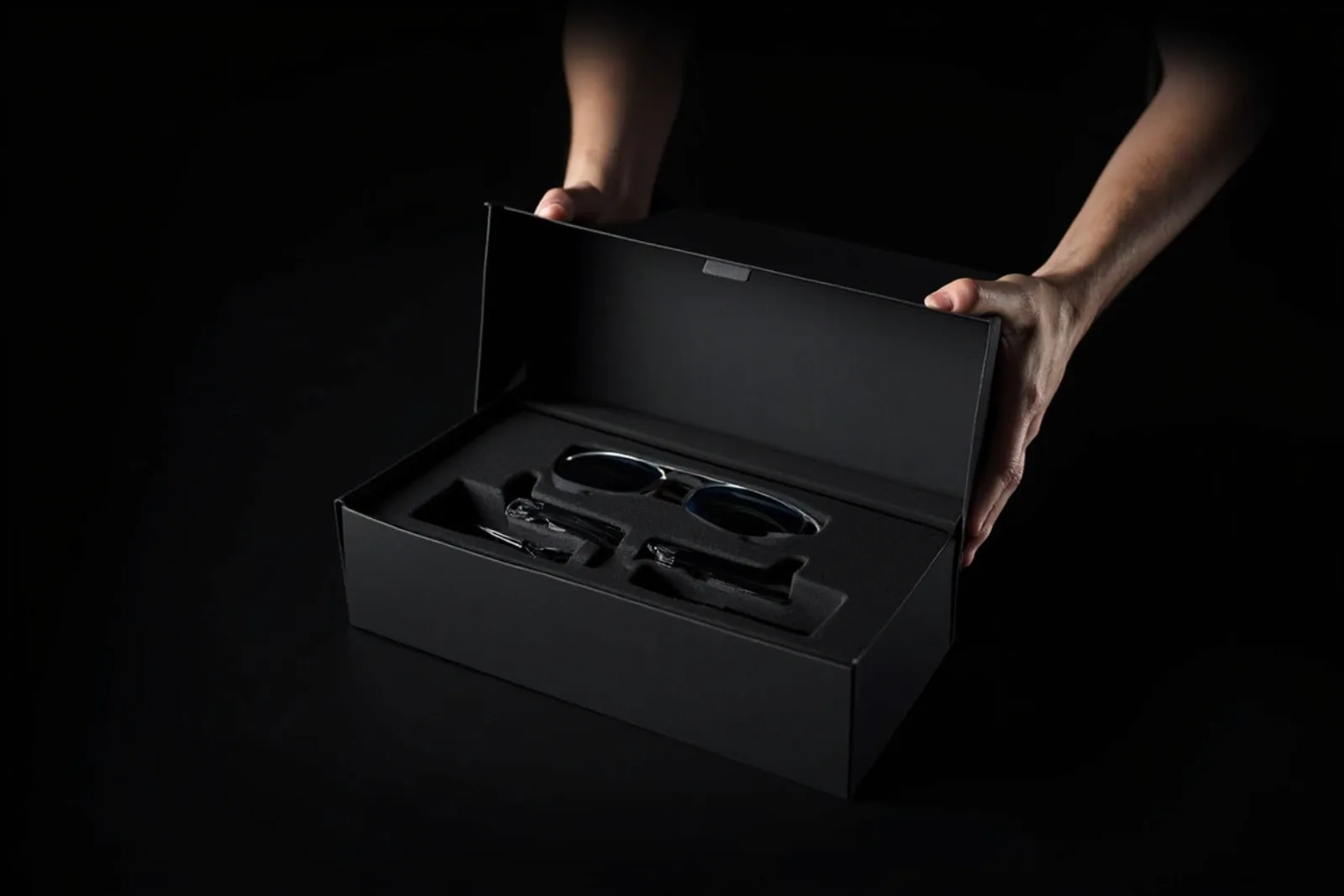
The compliance handover package
- Third-party test reports — RF, EMC and safety reports from the accredited laboratory, listing your product and brand.
- Certificates / grant filings — CE-RED evidence package and, where applicable, the FCC grant issued to the brand owner.
- Declaration of Conformity — draft DoC prepared for the brand to sign and date as manufacturer of record.
- TCF index — technical construction file index: schematics, BOM, block diagrams, antenna spec, risk assessment and supplier declarations.
- RoHS / REACH declarations — per-SKU material declarations with the supplier evidence behind them.
- Battery file — UN38.3 summary, MSDS/SDS and packing-instruction documents for the shipper.
- Labels & manuals — regulatory label artwork and localized user-manual compliance sections.
Brand-owned certificates: certificates and grants name your company, so they survive a change of manufacturing partner and support retailer onboarding, Amazon compliance uploads and distributor audits. For programs built on shared CYNRIN platforms, underlying test evidence can be referenced under documented permission, while the finished-goods certificate remains yours.
Questions compliance and procurement teams ask
Which certifications do smart glasses need to sell in the EU?
What FCC approval is needed for smart glasses in the US?
What are UN38.3, MSDS and PI966/PI967 for?
Who owns the certificates — CYNRIN or our brand?
How long does smart glasses certification take?
Can you provide compliance documents for Amazon FBA and retail onboarding?
Engineering, logistics and program support
Technology & R&D
The EVT/DVT/PVT process and labs that generate the pre-scan evidence.
Explore02Quality Control & Testing
Reliability test plans, AQL gates and the evidence chain behind declarations.
Explore03Shipping & Logistics
Incoterms, FBA preparation and dangerous-goods shipment handling.
Explore04OEM Manufacturing
How compliance is scheduled inside a branded production program.
Explore05Support & Downloads
Request existing reports, dossiers and product documentation by email.
ExploreLaunching in the EU, US or both? Ask for the certification plan.
Tell us your target markets and sales channels in the RFQ form. Compliance engineering returns a market-by-market test plan, timeline and document list.