Cycling is one of the clearest product-market fits in smart eyewear. Riders already wear glasses on almost every ride, their hands are occupied, and the use cases for a connected lens are concrete rather than speculative: a glance at the next turn, open-ear awareness of the peloton, and footage of a descent or an incident. For sports brands and distributors, that combination adds up to a category worth a serious wholesale program rather than a one-off gadget buy. This guide walks product planners and procurement teams through what riders actually need, the optical and fit requirements that separate a sport frame from a fashion frame, certification realities, and the mechanics of a private-label wholesale program.
Why Riders Buy: The Real Use Cases
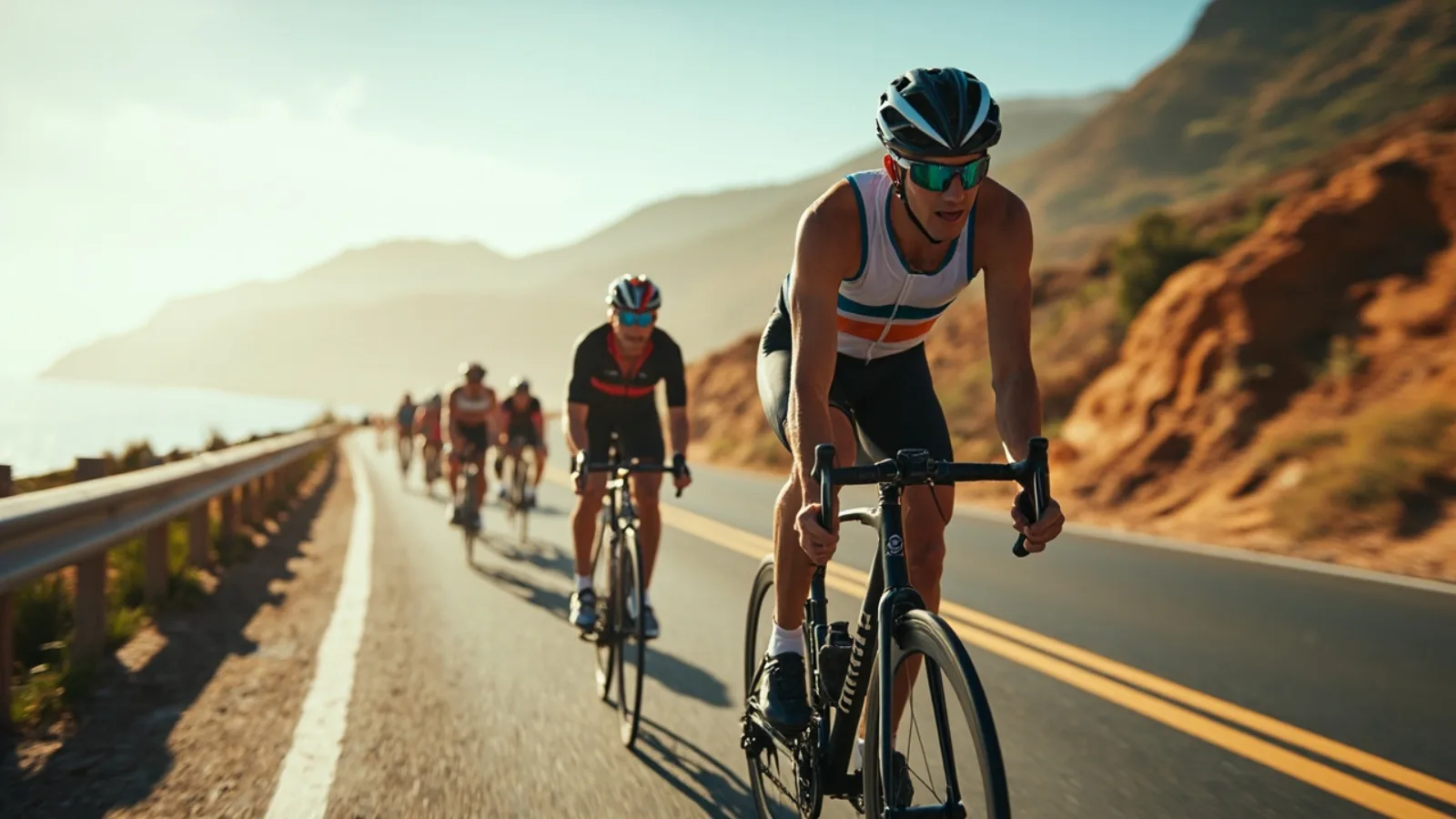
A smart cycling pair succeeds when it serves riding first and technology second. Four use cases come up consistently with the brands we build for.
- Navigation prompts. A turn cue or distance readout delivered as a glanceable prompt or open-ear announcement means riders stop stopping at junctions to check a phone. Even audio-only models can deliver voice cues through the companion app.
- Ride capture. First-person camera models record descents, group rides and, importantly, incidents. Continuous recording time and a clear recording indicator are the two specs riders test first.
- Open-ear situational awareness. Riders need to hear traffic, wind and other riders, so sealed in-ear audio is the wrong architecture. Open-ear speakers keep riders connected to the road while playing cues and calls; the acoustic design is explained in our speaker and microphone overview.
- Group communication. Low-power Bluetooth audio between paired devices and phones supports light group chat and call handling, though riders should expect conversational convenience rather than full mesh-intercom performance.
Discipline matters here. Products that try to replicate a handlebar computer, a camera and a headset on one face tend to compromise all three; products that deliver cues, awareness and capture well earn shelf space.
Product Requirements by Rider Type
Road, gravel and commuter riders share a category but not a spec sheet. A wholesale line usually performs best with a tiered range rather than one universal model.
| Rider type | Ride profile | Priority features | Lens direction |
| Road | Fast group rides, 3–5 hours, varied light | Aerodynamic wrap, audio cues, optional capture | Photochromic or bright-road tint |
| Gravel and trail | Dust, vibration, remote roads, variable weather | Secure grip, impact protection, sealing, run time | Contrast and interchangeable lenses |
| Commuter | Daily urban rides in all conditions | Navigation, calls, visibility, quick charging | Clear-to-low tint or photochromic |
A common architecture is one electronics platform across three frame and lens configurations. That keeps firmware, certification paperwork and spare parts common while letting retail present a genuine performance range.
Optics: VLT, Photochromic Lenses and Impact Expectations
Glasses are still first and foremost eyewear, and optical failures are returned faster than electronic ones. Three concepts should appear in every product brief.
Visible light transmission
VLT describes how much light reaches the eye. Bright-road tints run low VLT, low-light and night lenses run high VLT, and all-day riders usually land somewhere in between. Specify the VLT range, not just a color name.
Interchangeable versus photochromic
Interchangeable lenses keep per-lens cost low and cover bright and dull conditions, but riders must carry spares and swap them with wet fingers. Photochromic lenses adapt to light automatically and simplify the range, at a higher unit cost. Polarized options help on bright road and water glare but can obscure some digital displays, which matters for camera framing and head units.
Impact and optical standards
Sport buyers expect lenses that survive road grit and drops. Frame the requirement conceptually as impact-resistant sport lenses meeting recognized optical and impact expectations such as the ANSI Z80.3 family, and ask the factory which exact standard each configuration is tested against rather than assuming a marketing claim is a certified result.
Fit, Wrap and Helmet Compatibility
A pair of sport glasses is judged in the first five kilometers. The lens wrap should seal peripheral light without pressing the lashes, the nose pad must grip through sweat, and the temples must sit comfortably under a helmet retention system rather than levering against it. Road frames tend toward a lower profile and a tighter wrap; gravel and commuter frames favor ventilation and coverage. Cable and strap interaction matters for riders who wear cameras or caps under the helmet. Fit is difficult to validate from renderings, which is why a credible factory supports fit samples before tooling is finalized.
Sweat, Weather, IP and Battery Realities
Rain spray, pressure washing at the cafe and hours of sweat are normal operating conditions, not accidents. Electronics need validated sealing, and the factory should provide the exact ingress-protection test conditions rather than a bare rating number, because the same IP designation can be quoted under different test programs. Sweat corrosion on charging contacts, speaker mesh and temple hinges should be covered by the same validation, not only the main enclosure.
Battery is the spec riders feel most. Most organized rides run three to five hours, and cold weather reduces cell performance, so continuous-use run time should clear that window with margin. Ask for measured data with the camera recording and audio active simultaneously, because standby figures overstate real rides badly. Fast charging between a morning and afternoon ride is a meaningful secondary selling point. Our smart glasses battery life guide explains how to read these numbers honestly.

Certification Realities for Distributors
Distributors buy paperwork as much as product. A shipment that cannot clear customs or satisfy a major retailer's compliance file is dead inventory regardless of its unit price. Wireless glasses carry radio, battery and consumer-product obligations in their destination markets, and documents should be available for review before a purchase order, not produced after the goods are booked. Confirm which certificates are issued to the factory, which require a brand holder, and how labeling and user-guide localization are handled for each market. The complete checklist, including radio, chemical and battery-document expectations, is covered in our smart glasses certifications guide, which also explains how compliance documentation is typically packaged for a brand holder.
Wholesale and Private-Label Program Mechanics
Wholesale programs for cycling eyewear run on three layers of customization, and minimum order quantities scale with how deep the program goes. Catalog configurations in standard colors carry the lowest thresholds and fastest turnaround; branded frames with logo application and custom retail packaging sit in a middle tier; custom tooling or dedicated lens configurations require the highest volumes and non-recurring engineering charges. Our plain-language MOQ explainer breaks down how these tiers work in practice. All thresholds are subject to project confirmation against the chosen platform.
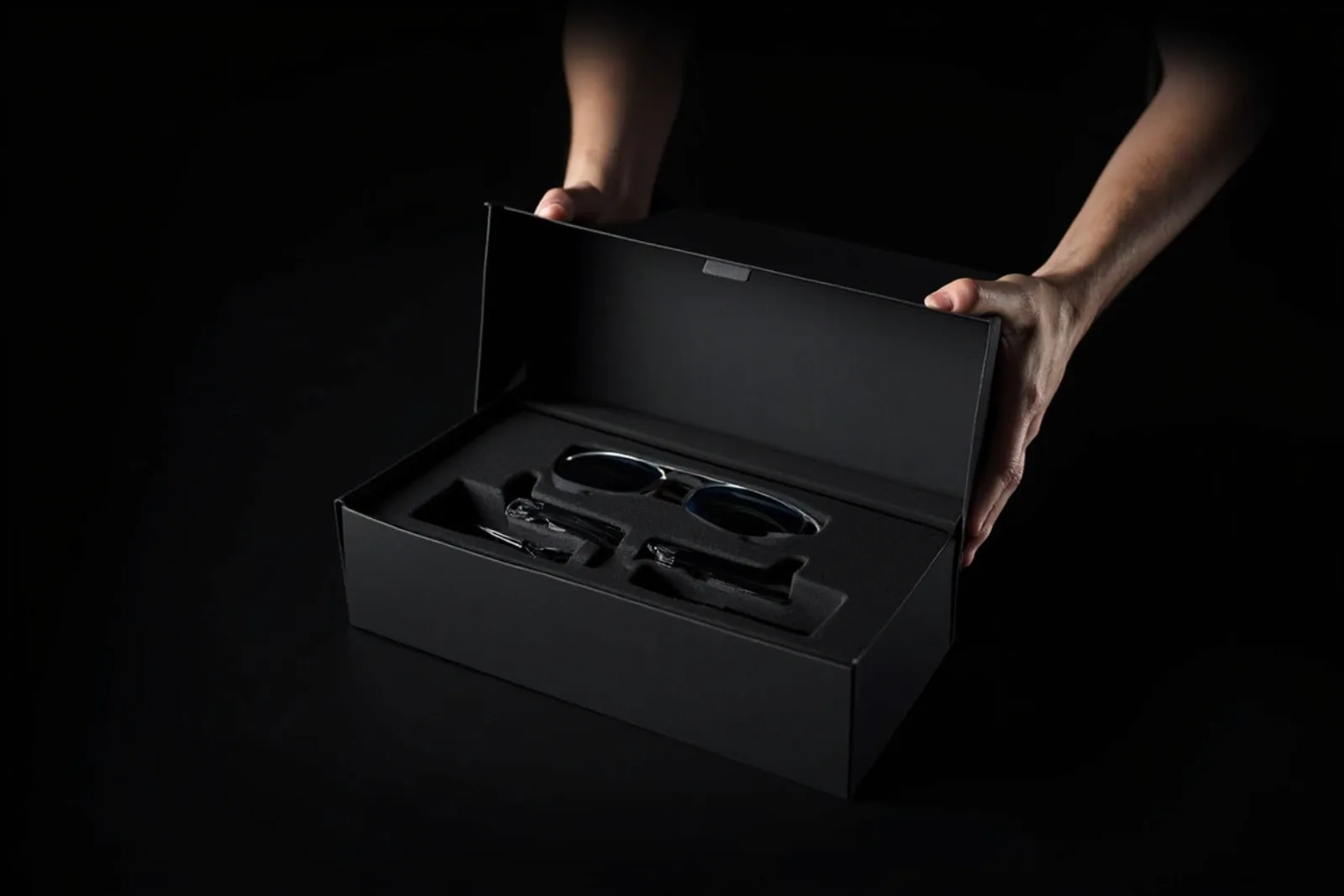
Cycling is seasonal in a way generic electronics are not. Buyers commit against a spring launch window, and a program that slips by eight weeks misses the selling season entirely, so lead time is a negotiating variable worth as much as price. Beyond the glasses themselves, plan for the supporting items distributors and retailers expect: a retail-ready box with hang-sell or shelf-ready options, a hard case and pouch, a charging cable matched to the model, spare nose pads and temple tips, and a warranty and spare-parts policy that keeps riders in the product after a crash. A serious factory quotes these line items from the first round rather than discovering them after the order.
What to Ask a Factory Before the First Order
The right questions separate a manufacturer that understands cycling from one selling generic smart glasses. Put these on the first call and expect evidence rather than assurances:
- Which reference platforms support continuous camera and audio use for a five-hour ride, and what does the measured battery report look like?
- Which impact and optical standard are the lenses tested to for each configuration, and can photochromic and polarized options share one certification file?
- What ingress-protection test conditions apply, and how are sweat exposure and charging-contact corrosion validated?
- Which certificates exist for the target markets today, which must be re-issued for a new brand holder, and what is the typical timeline?
- What MOQ tiers apply to catalog, branded and fully custom programs, and how are non-recurring engineering and tooling charges separated from unit pricing?
- What spare parts, warranty process and packaging options are available, and can frames be fitted for fit evaluation before tooling is committed?
For brands ready to go deeper, our private-label smart glasses programs outline the customization path from a reference platform to a branded cycling line. Whether your first program is a single photochromic road model or a three-tier range, the practical first step is to request a wholesale quote with your target markets, rider type, lens preference and seasonal timing, so the response reflects real MOQ, certification and lead-time conditions rather than a generic catalog price.
Frequently Asked Questions
What makes cycling smart glasses different from regular smart glasses?
Cycling glasses must survive wind, sweat, rain spray and long hours in a drop-bar position while staying compatible with helmets and staying open to ambient traffic sound. That changes the optical, fit, sealing, battery and acoustic requirements compared with everyday audio glasses. A fashion frame rebranded as a sport model will be returned by riders, usually after the first wet ride.
Which lens type should a cycling glasses program start with?
Photochromic lenses that darken with sunlight give one-pair convenience for variable rides and are the most common starting point for a branded line. Interchangeable lenses cost less per lens and cover bright and low-light conditions but require riders to carry spares. Polarized lenses suit bright road and gravel use but can obscure some screens. Many programs offer photochromic as standard and contrast lenses as an upgrade.
What water and sweat rating do smart cycling glasses need?
Rain spray and heavy sweat are routine, so sealed electronics and validated ingress protection matter more than a fashion product needs. Ask the factory for the exact IP test conditions rather than accepting a bare IP number, because ratings can be quoted against different test definitions. Lens impact protection and sweat resistance of frame coatings should be confirmed in writing alongside the electronics rating.
What MOQ should distributors expect for smart cycling glasses?
Minimums depend on how much is customized. Catalog colors typically start at the lowest tier, branded frames and retail packaging sit in a middle tier, and custom tooling or optical configurations require the highest volumes and carry non-recurring engineering charges. Cycling is seasonal, so buyers should align order timing with the sales calendar. Every threshold is subject to project confirmation.
How long must the battery last on a ride?
Most organized road and gravel rides run three to five hours, so continuous capture and audio should comfortably span that window with margin for cold weather, which reduces cell performance. Ask the factory for battery data measured with the camera recording and audio active together, not a standby figure. Fast charging between morning and afternoon rides is a useful secondary feature.